

EXPOSICIONES
Minor White
Minor White
16 jun. — 6 sep. 2026
Centro de Fotografía KBr
— Barcelona
Comisariado por
Carlos Gollonet
Organiza
Fundación Mapfre
Horarios de la sede
Lunes cerrado
Martes a domingo
11:00–20:00
Sede
Centro de Fotografía KBr
Av. del Litoral, 30
Mapa
Figura central en la fotografía norteamericana del siglo XX, su obra, su manera de entender la fotografía y sus teorías se despliegan como una red que abarca todos los ámbitos del medio en el ámbito académico, museístico, editorial y comercial.
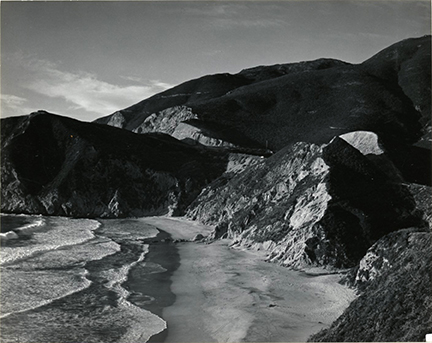
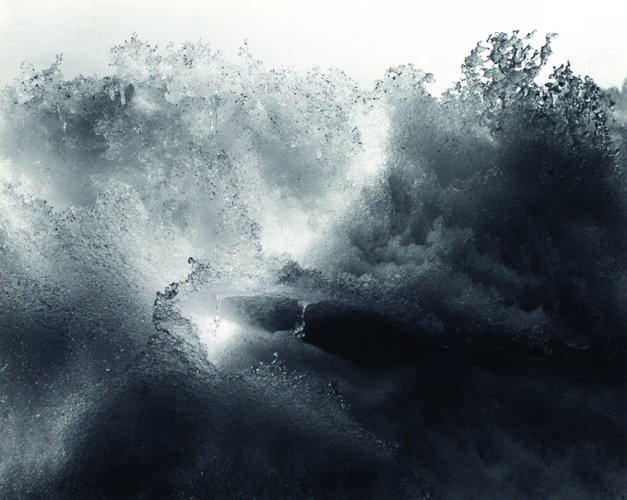
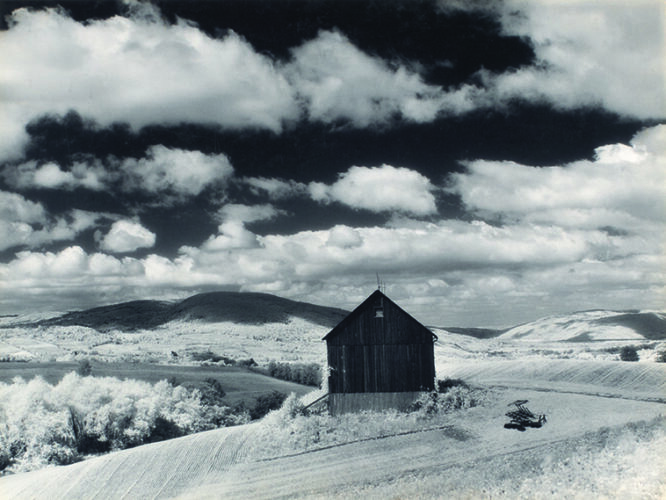
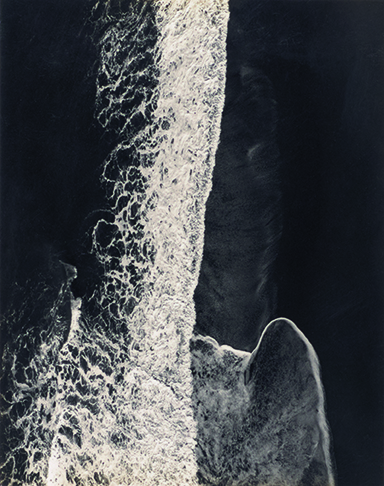
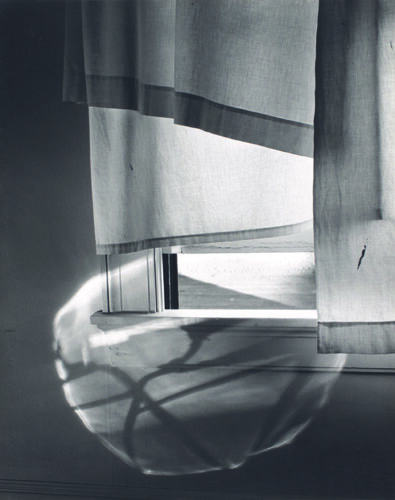
Minor White (Minneapolis, EE.UU., 1908 – Boston, EE.UU., 1976), influenciado en un principio por la obra de Alfred Stieglitz y Edward Weston, deriva hacia un formalismo trascendental que a la cuidada descripción del mundo añade una tensión entre el objeto y la imagen que crea. White lleva la abstracción fotográfica a sus límites, manteniendo el rigor de lo real, sirviéndose de la secuencia como vehículo para presentar su obra y para transmitir su experiencia personal y su permanente propósito de tratar de ver más allá de la superficie, de lo intelectual o lo pictórico en la fotografía.
Una obra que transmite tanto belleza como una vida emocionalmente truncada por el no reconocimiento de su homosexualidad, cuyo drama se trasluce en la mayor parte de su obra. White luchará toda su vida por dar coherencia a su fotografía como creación artística y herramienta de autodescubrimiento y expresión.
A central figure in twentieth-century American photography, his work, his understanding of the medium, and his theories unfold as an interconnected network that extends across all spheres of photographic practice—academic, museological, editorial, and commercial.
Minor White (Minneapolis, U.S., 1908 – Boston, U.S., 1976), initially influenced by the work of Alfred Stieglitz and Edward Weston, evolved toward a transcendental formalism that, beyond a meticulous description of the world, introduces a tension between the object and the image it generates. White pushed photographic abstraction to its limits while preserving the rigor of the real, employing sequence as a vehicle to present his work and to convey his personal experience, as well as his enduring commitment to seeing beyond the surface, beyond the intellectual or the pictorial in photography.
A body of work that conveys both beauty and a life emotionally constrained by the lack of recognition of his homosexuality, a tension that permeates much of his work. Throughout his life, White strove to bring coherence to his photography as both an artistic practice and a means of self-discovery and expression.